
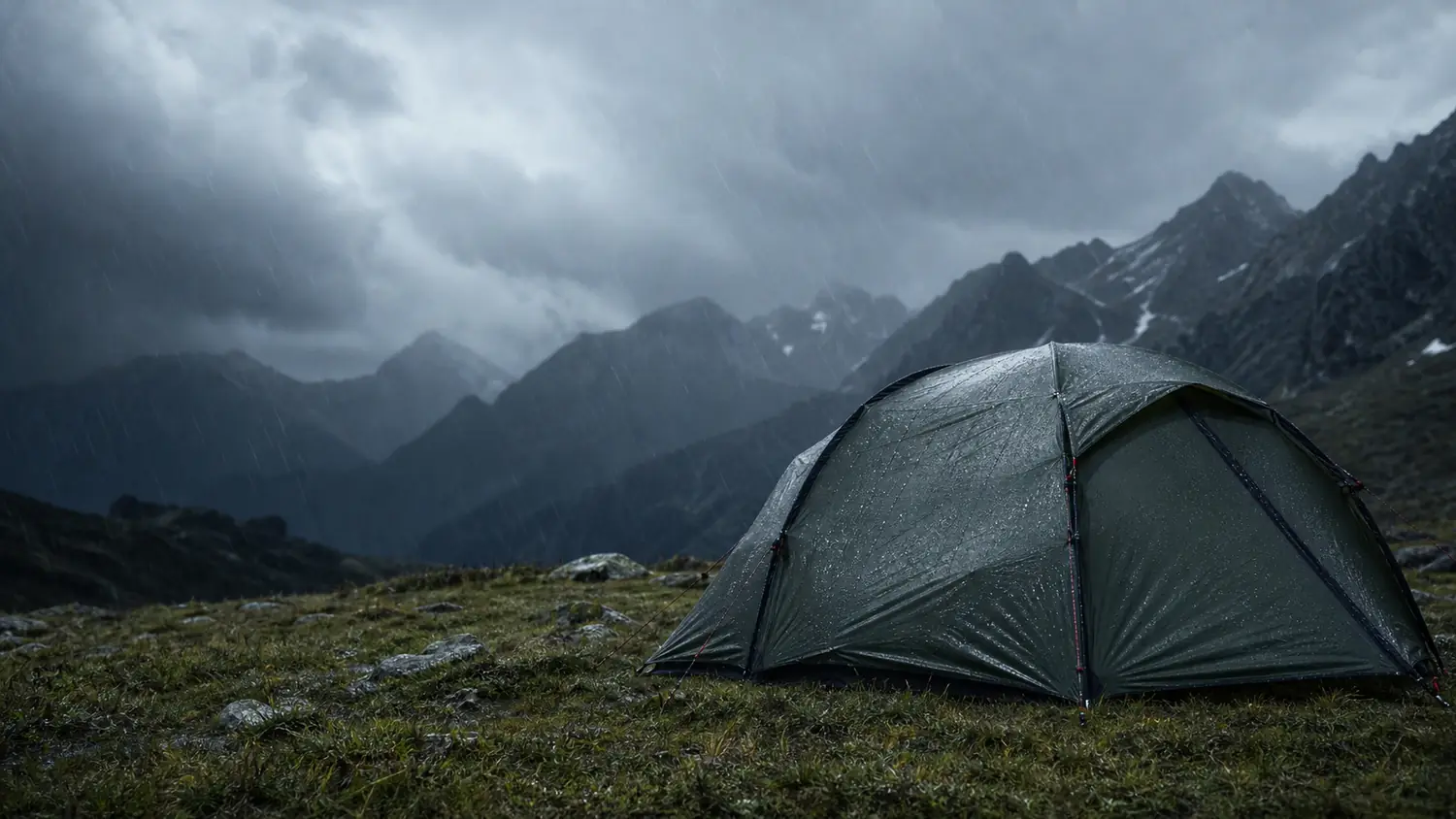
01 / Application
Camping and expedition tents
Lightweight fabric options for rain flies, tent walls and packable shelter systems.
Tent and shelter fabrics
Brilliant-Tex develops coated, laminated and ripstop fabric routes for tents, canopies, rain flies and portable shelters where water resistance, tear strength, packability and durability must be balanced.
View products Testing capability
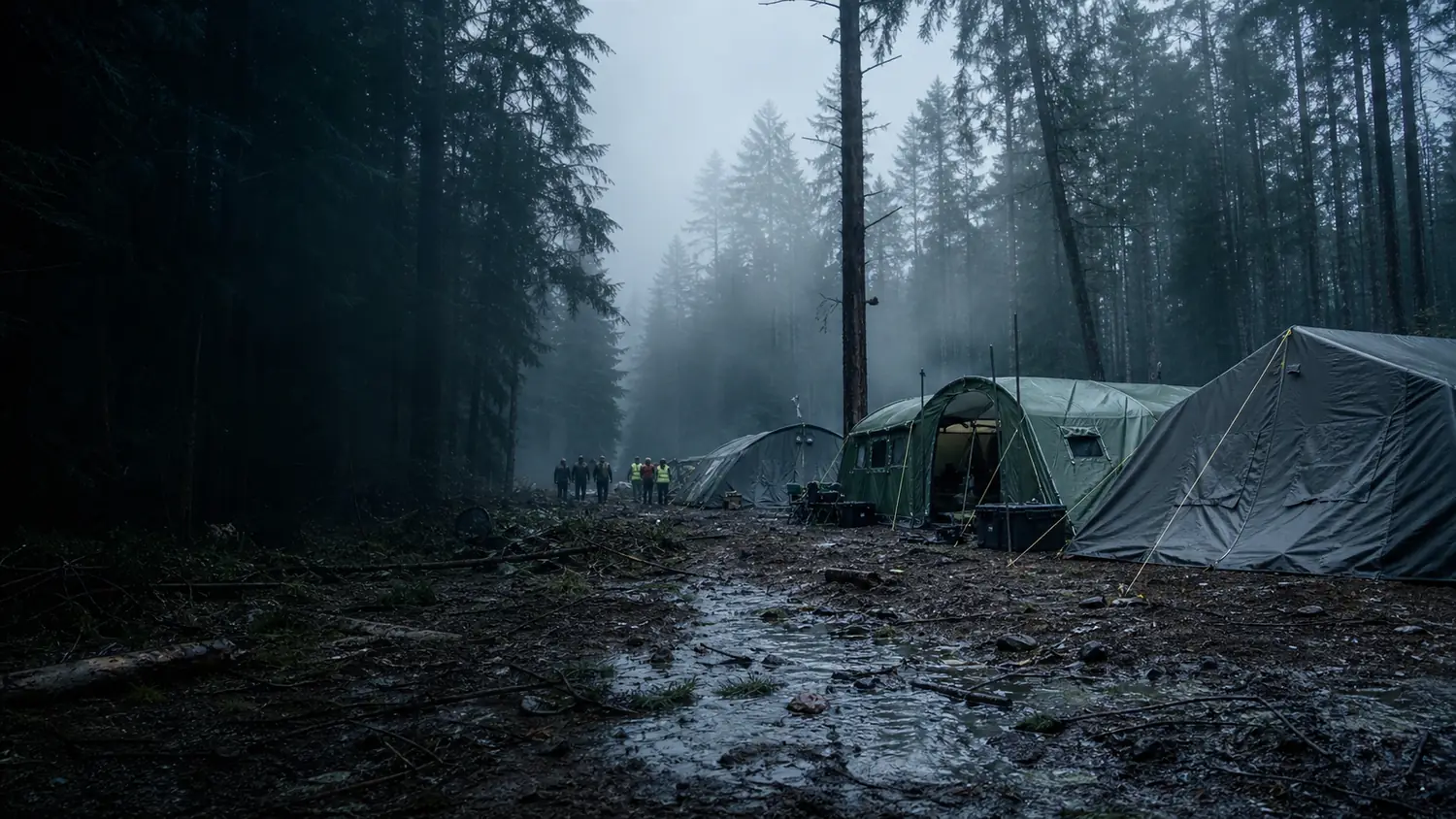
Application focus
Different shelter designs need different balances of water pressure, tear strength, hand feel, coating route and packed weight.
01 / Application
Lightweight fabric options for rain flies, tent walls and packable shelter systems.

02 / Application
Durable coated fabrics for temporary outdoor coverage and weather-exposed shade systems.
03 / Application
Project-specific constructions for rescue, field support and rapid-deployment shelter needs.
Featured solutions
Each card links to its own image gallery and Excel-style specification table.
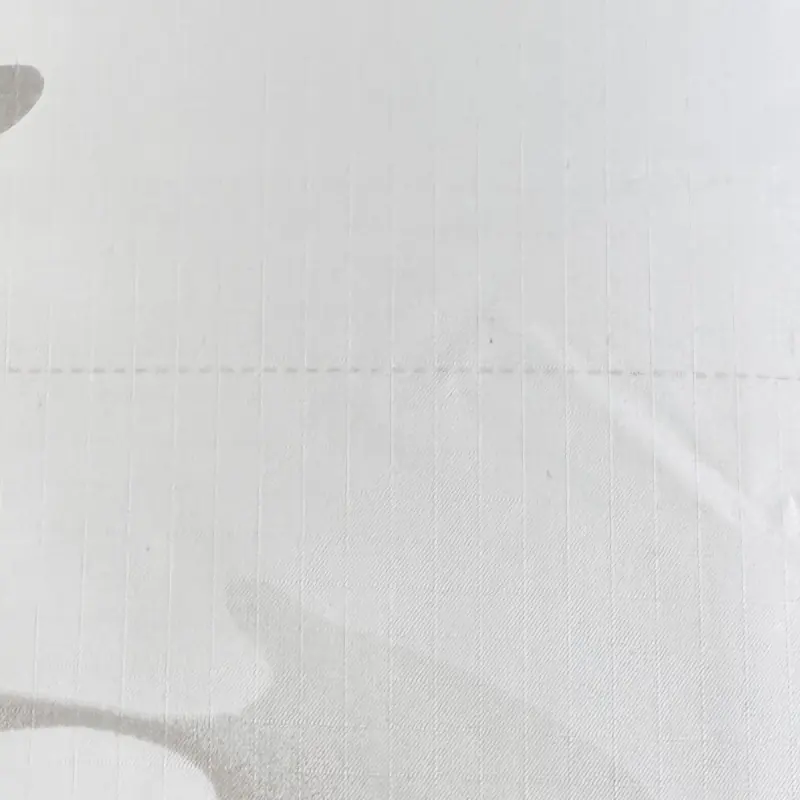
NR13PTAF6I
5 mm grid nylon fabric with IRR print, C6 durable water-repellent finish and breathable white PU coating for lightweight shelter panels.
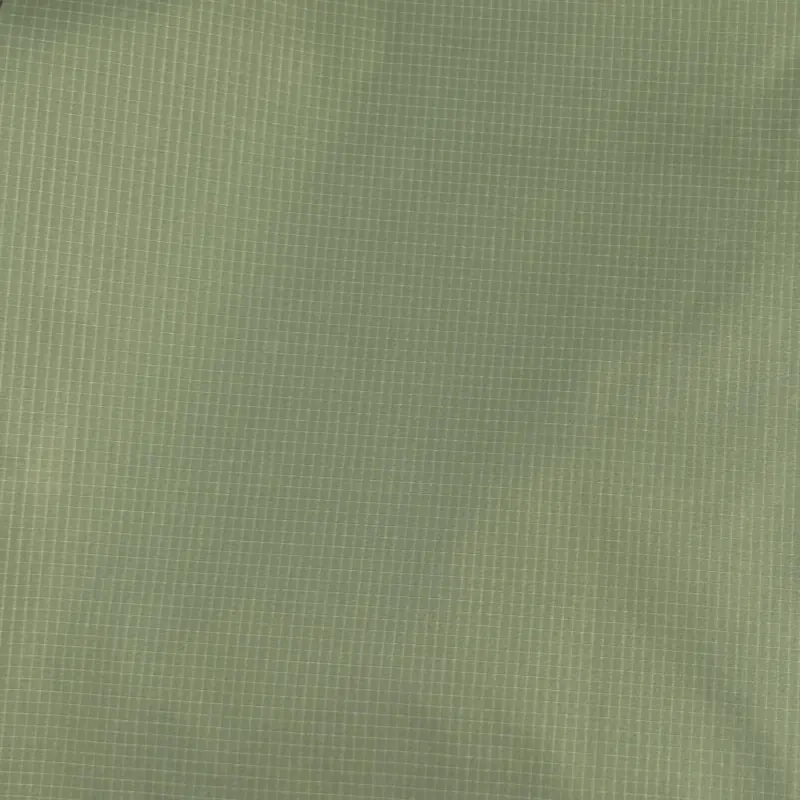
NR5BEDO6I
70D nylon taffeta with IRR dyeing, DWR and PU flame-retardant coating for compact shelter programs requiring rain and flame-performance discussion.
PP19ROEO6C
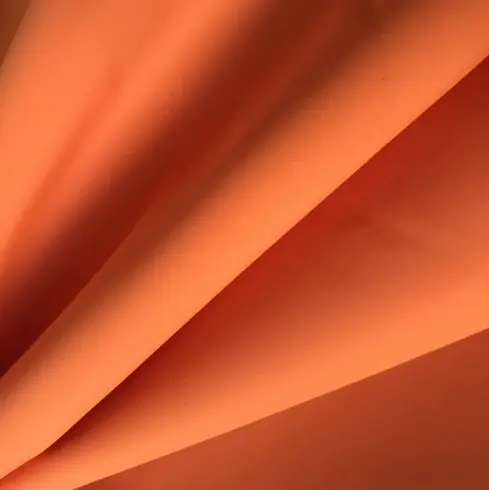
100% polyester 240T pongee with water-repellent treatment and PVC lamination for higher water-pressure shelter and cover requirements.
Testing and Quality
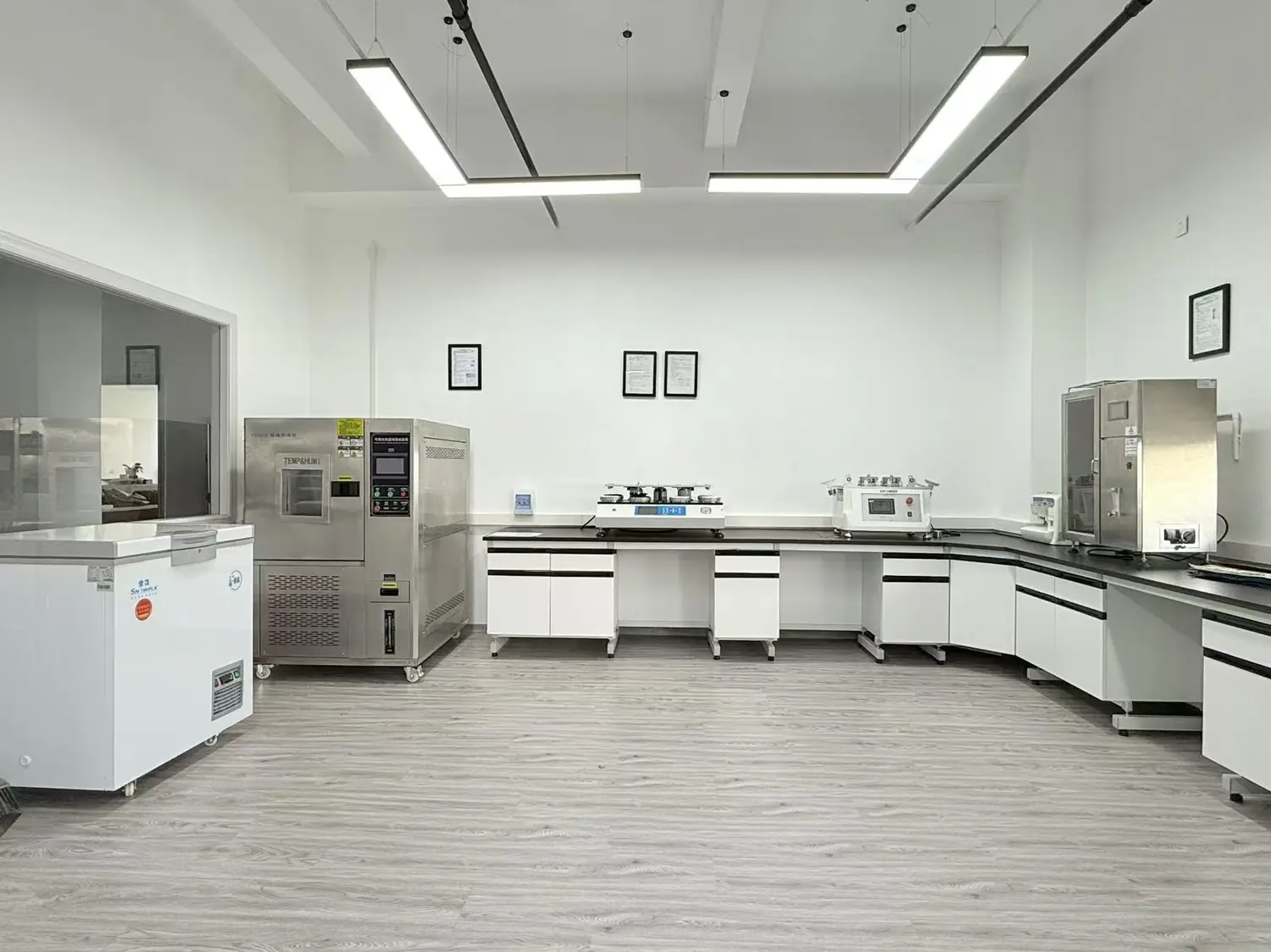
Testing supports practical fabric selection and helps align the sample with the required application.
Buyer FAQ
For light rain fly and tent-wall projects, 1,000–3,000 mm may be discussed first. For emergency shelters, canopies or longer exposure, 5,000–8,000 mm is often a better starting target. Final selection should consider seam design, expected rain intensity, packed weight and the buyer’s test method.
PU coating is usually preferred when the project needs a softer hand feel, lower weight and better packability. PVC lamination is useful when a stronger water barrier, robust coated surface or heavy-duty cover performance is the priority. The final route should be confirmed by sample, hydrostatic pressure test and folding/handling review.
Start with the fabric position: rain fly, side wall, ground-facing panel or frame-stressed area. Wind-exposed panels often need ripstop yarns, stronger denier or Oxford construction. Ask the project team to confirm tear method, target value, fabric weight limit and whether reinforcement tape will be used.
News
Short articles can be added regularly for Google SEO and AI/GEO visibility.